
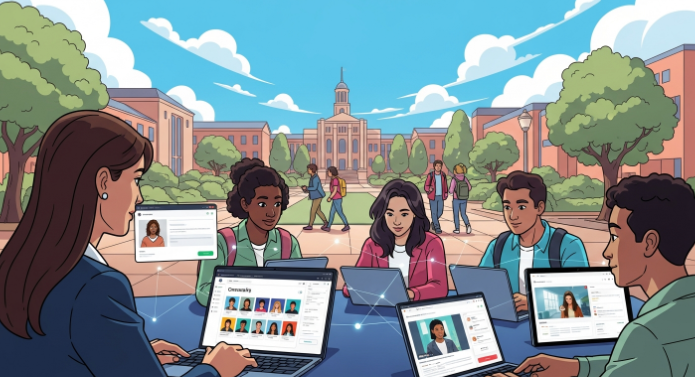
Key Highlights
- Campus recruitment software streamlines the hiring process by focusing on skills, not resumes, to identify top talent.
- It significantly reduces unconscious bias by using AI-powered tools and standardized assessments for fair hiring.
- Key features include skills testing, automated grading, and integrations with existing ATS platforms.
- This technology enhances the candidate experience through engaging, real-world task simulations.
- Organizations can improve diversity and inclusion by leveraging analytics to track metrics and ensure a fair recruitment process.
- By automating high-volume applications, the software reduces time-to-offer by up to 90%, promoting a more efficient hiring process.
Introduction
Finding top talent is exciting, but campus recruiting can be overwhelming with hundreds or thousands of applications. How can you ensure fairness and efficiency for hiring managers? Modern campus recruiting software streamlines the process, helping companies focus on candidates’ skills and potential—resulting in better, more diverse hires.
Understanding Campus Recruiting Software and Its Impact in Australia

Campus recruiting software streamlines graduate recruitment by automating and standardizing talent evaluation from educational institutions, eliminating slow, biased traditional methods like manual resume screening.
For Australian organizations, this technology enables efficient management of large applicant volumes, saving time and resources spent on manual reviews and campus visits. It improves the candidate experience and ensures a fair, effective recruitment process.
Let’s look at key features to consider and how technology is transforming early career hiring.
Key Features to Look For in Campus Recruiting Software
When selecting campus recruiting software, prioritize features that reduce hiring bias and streamline recruitment, including SMS capabilities. Choose platforms that assess actual skills, not just resumes, ensuring fair opportunities for all applicants.
Seek software with strong assessment tools to evaluate technical and soft skills through realistic tasks. This provides a clearer view of candidates’ job readiness.
Key features to look for:
- Skills-Based Assessments: Evaluate practical, role-specific abilities rather than academic credentials.
- Automated Grading and Ranking in real time: AI-driven scoring ensures consistent evaluation across all candidates.
- ATS Integration: Connect seamlessly with your current applicant tracking systems.
- Customizable Candidate Experience: Personalize messaging and video intros to engage applicants and showcase your company culture.
Evolving Role of Technology in Graduate and Early Careers Hiring
Technology is transforming graduate recruitment, moving beyond physical career fairs and manual CV sorting. Modern tools connect companies to a global talent pool and enable remote skill assessments, attracting a more diverse and qualified range of applicants, including the opportunity for an interviewer to assess candidates effectively.
Campus recruiting software creates a fairer, more objective process by using skills-based assessments that simulate real job tasks. This allows all candidates, including recent graduates, to showcase their abilities, even without prior work experience.
Key benefits include:
- Better Candidate Experience: Interactive assessments engage applicants and leave a positive impression.
- Higher Offer Acceptance: Fair, transparent hiring boosts offer acceptance rates among top talent.
- Data-Driven Decisions: Technology delivers clear metrics for confident, performance-based hiring.
Addressing Hiring Bias with Modern Campus Recruiting Solutions
One major hiring challenge for recruiters is overcoming unconscious bias, which can lead to overlooking qualified candidates. Modern campus recruitment software addresses this by promoting fairness and standardizing evaluations, ensuring applicants are judged on skills and performance—not personal details. This objectivity is key to building an inclusive workforce.
Here’s how AI helps detect bias and bring objectivity to your assessments.
How AI-Powered Tools Detect and Prevent Unconscious Bias
AI-powered campus recruiting solutions reduce unconscious bias by automating screening and focusing only on job-related performance. These tools ignore personal details like age, gender, or school for impartial evaluations, unlike traditional methods that may rely on personality tests.
Their main strength is grading applicants using objective criteria. For instance, Vervoe’s AI scores candidates based on millions of data points from real assessments, delivering accurate and ethical results without knowing identities.
Key benefits include:
- Anonymized Assessments: Submissions are reviewed without personal information.
- Standardized Scoring: All applicants are measured against the same skill benchmarks.
- Data-Driven Rankings: Candidates are ranked solely on performance.
- Performance Analytics: Detailed skill breakdowns support unbiased hiring decisions.
Building Objectivity Into Candidate Assessments
To ensure fair, unbiased hiring for graduates, focus assessments on measurable skills rather than subjective criteria. Campus recruiting software uses skills tests, including soft skills tests, to evaluate both technical knowledge and essential soft skills like critical thinking and communication.
These assessments simulate real job scenarios, allowing hiring decisions based on proven abilities. This directly links selection to job performance and improves hiring quality by integrating event management strategies. Standardized questions and grading rubrics ensure test integrity.
| Assessment Type | How It Builds Objectivity |
| Technical Skills Tests | Measures practical abilities with standardized tasks for equal evaluation to help select the best talent. |
| Soft Skills Assessments | Uses situational questions and video responses to consistently rate communication and problem-solving. |
| Realistic Job Simulations | Mimics job duties, highlighting true performance without resume bias. |
Elevating Fair Hiring Practices Through Campus Recruiting Software
Fair hiring goes beyond avoiding bias—it creates an inclusive environment where every candidate has an equal chance. Campus recruitment software makes hiring fair and transparent by standardizing evaluations and focusing on skills, incorporating automation to enhance the efficiency of the process.
This technology improves the candidate experience and helps you build a diverse, talented workforce. When candidates see fairness, they’re more engaged and view your company positively.
The next sections explain how these tools support diversity, inclusion, and analytics integration.
Supporting Diversity and Inclusion in the Hiring Process
Modern campus recruiting tools drive diversity and inclusion by enabling intentional, skills-based hiring. They evaluate candidates on abilities rather than background, expanding the talent pool beyond traditional methods that focus on universities or resume keywords, enhancing the attainability of opportunities for all candidates.
This fair, transparent process improves company culture and candidate experience, making your organization more appealing to diverse applicants.
Key benefits include:
- Bias-Free Screening: AI removes personal identifiers during initial reviews.
- Equal Opportunity: All candidates complete the same assessment.
- Focus on Potential: High-potential individuals are identified, even without formal experience.
- Enhanced Candidate Experience: Fairness strengthens your employer brand.
Integrating Diversity Analytics with Campus Recruiting Platforms
Yes, campus recruiting software can be integrated with diversity analytics tools to effectively measure your inclusion efforts, featuring a selection of customer stories that showcase successful implementations. Linking these platforms lets you track key metrics across the hiring funnel and reveals where your process succeeds or needs improvement.
This integration transforms data into actionable insights through intentional diversity efforts. You can monitor diversity at each stage—from application to offer—and identify where underrepresented groups drop off. This data-driven approach helps you fine-tune recruitment strategies.
Key benefits include:
- Tracking Diversity Metrics: Monitor applicant diversity throughout the recruitment process.
- Identifying Gaps: Spot where diverse candidates exit the hiring funnel.
- Improving Strategy: Use data to refine outreach and assessment for a more diverse talent pool.
Real-World Impact: Success Stories from Australian Organisations
Fair hiring delivers clear benefits, but how does it work in practice? Across Australia, organizations using modern campus recruiting solutions are seeing real results. Their graduate recruitment programs now incorporate clear selection criteria, making them faster, fairer, and more effective at identifying qualified talent.
By prioritizing skills, these companies achieve better hiring outcomes and enhance their employer brand. Their focus on fairness is building stronger, more diverse teams.
Let’s explore case studies and best practices that highlight these successes.
Case Studies Highlighting Improved Fairness and Hiring Outcomes
Real-world case studies show that campus recruiting software can significantly improve fair hiring. For example, the British Transport Police used skills-based assessments to focus on potential and job scenarios, leading to better hires aligned with their organisational goals.
These examples reveal a clear trend: removing bias uncovers exceptional talent often overlooked. This approach not only increases fairness but also builds a more capable and diverse culture, contributing to the BTP initiatives. Platforms like Vervoe have transformed hiring by helping organizations find the right people faster and with greater confidence.
Key takeaways:
- Focus on potential: Hiring is based on ability, not background.
- Faster, more confident decisions: Teams hire quickly without compromising quality.
- Increased diversity: Fair processes naturally boost workforce diversity.
Maximizing Fairness: Best Practices for Employers Using Campus Recruiting Software
Simply adopting campus recruitment software isn’t enough—employers must follow best practices to ensure fairness for potential candidates. Start by designing assessments that match the job’s required skills, using varied formats like video, text, and spreadsheet tasks for a comprehensive view of each candidate.
Create a positive, transparent experience by using the software’s candidate relationship features to send personalized messages and video introductions. This keeps applicants engaged and demonstrates your commitment to fair hiring.
To maximize fairness:
- Train hiring teams on unconscious bias: Promote objective evaluations that align with NBCUniversal’s commitment to diversity.
- Standardize interview questions: Ask all candidates for a role the same core questions.
- Use AI-powered grading: Let automated scoring deliver unbiased initial rankings.
- Review analytics regularly: Monitor data to continuously improve your process.
Conclusion
In conclusion, campus recruiting software is transforming hiring by reducing bias and promoting fairness. With AI-powered tools and analytics, these platforms make candidate assessments more objective and support diversity and inclusion. Success stories show that such software leads to better hiring outcomes and a more equitable process. For companies seeking top talent and a diverse workforce, adopting this technology is essential. Consider how campus recruiting software can improve your organization’s hiring today.
Frequently Asked Questions
How does campus recruiting software ensure fair and unbiased hiring?
Xobin’s campus recruiting software promotes fair hiring with skills-based assessments that evaluate all candidates on objective criteria. It removes bias by excluding names and backgrounds from initial screening, letting AI rank candidates based solely on job-related performance.
What advantages does software have over traditional campus hiring methods?
Recruitment software automates the process, saving time and reducing costs from campus visits. It expands the candidate pool globally, enhances the quality of hires, streamlines event scheduling with ATS integrations, and uses objective assessments to identify top talent more effectively than manual resume screening.
How do users rate campus recruiting software for reducing hiring bias?
User reviews praise campus recruiting software for reducing hiring bias. Features like anonymous skills testing and AI analytics enable more objective decisions. Companies using these tools see improved workforce diversity, including the diversity of all candidates, and fairer hiring practices.