Nando’s has publicly stated it does not operate restaurants in Israel and maintains no official political stance. You might have seen a lot of talk about this online, and it can get confusing. This article is here to break down Nando’s official statements, the context behind the controversy, and how to separate verified information from social media rumors.
This issue often comes up in broader geopolitical discussions and consumer activism campaigns targeting multinational corporations. I’ll give you a comprehensive and unbiased overview based on publicly available information and company communications. Does Nando’s support Israel?
Let’s get to the facts.
What Nando’s Has Officially Said
Nando’s, known for its peri-peri chicken, has been clear about its stance on political issues. They’ve made specific statements, especially from their UK and international social media accounts, to address the question: does nando’s support israel?
They confirmed they have no restaurants in Israel. This was in response to direct questions from consumers during periods of heightened conflict.
The company emphasized that they do not take political sides. Their focus is on serving great chicken, not engaging in political debates.
Nando’s South Africa also had to clarify its position. Given the brand’s origins and the country’s own political landscape, it’s a sensitive topic.
They often mention their operations in nearby Muslim-majority countries. This demonstrates their apolitical, business-first approach in the region.
Overall, Nando’s maintains a commercial focus, keeping their mission simple and straightforward.
The Source of the Controversy: Boycott Calls and Online Campaigns
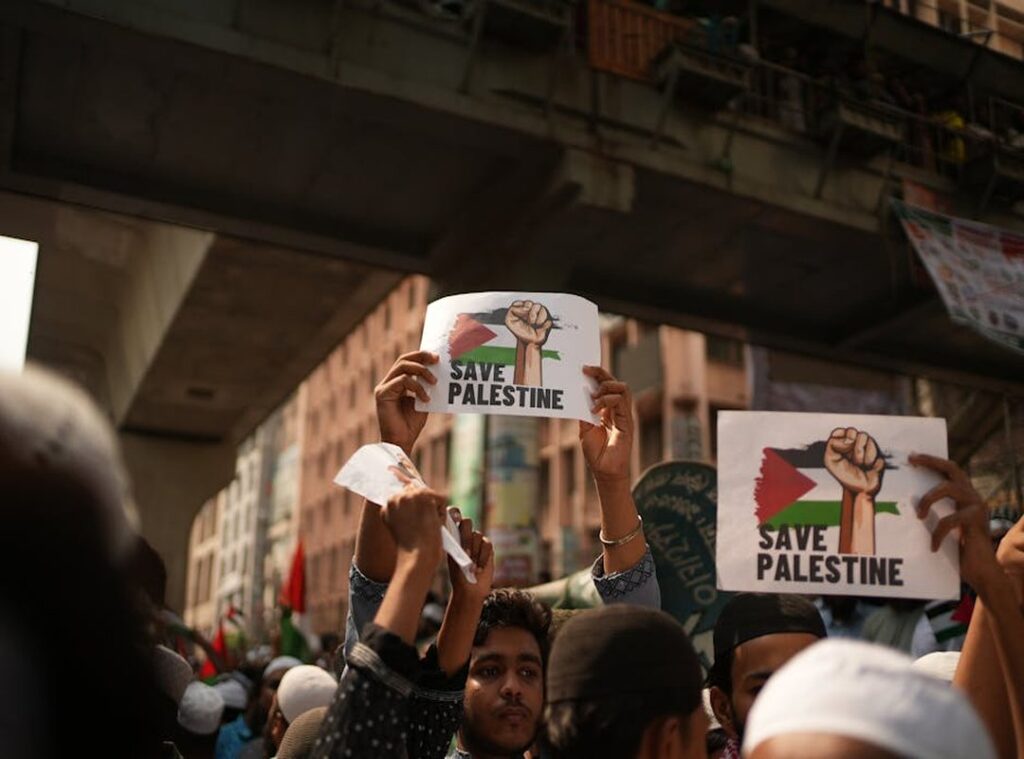
The BDS movement is all about pushing consumers to boycott, divest, and sanction companies with ties to Israel. It’s a polarizing issue. Some people see it as a way to stand up for what they believe in, while others view it as unfair and harmful.
Nando’s found itself in the crosshairs of these campaigns. Often, it wasn’t because of anything the company did directly. It was more about misinformation or association.
Rumors can spread like wildfire on social media. A single post or list can go viral, and suddenly Nando’s is being called out. Sometimes, it’s because of a false claim about an investor.
Other times, it’s just baseless accusations about operations.
Does nando’s support israel? That’s a question that’s been thrown around a lot. But the truth is, Nando’s has had to repeatedly issue clarifications.
They’ve made it clear that they don’t take sides in political conflicts.
The power of social media can’t be underestimated. Even when the information is not accurate, it shapes public perception. Nando’s global presence makes it an easy target.
People see the brand everywhere, so it’s a visible symbol to rally against, regardless of its actual policies.
Misinformation spreads fast. One day, you’re minding your own business, and the next, you’re dealing with a PR nightmare. Nando’s has had to deal with this over and over.
It’s a reminder of how quickly things can spiral out of control in the digital age.
Franchise Ownership vs. Corporate Stance: A Key Distinction
Nando’s relies heavily on individual franchisees who own and operate their local restaurants. This model can create confusion, especially online.
Have you ever wondered why a single franchisee’s actions can be mistakenly seen as the company’s stance? It’s because people often don’t understand the difference between a local owner’s personal views and the official corporate position.
Let’s use an analogy. If a local franchisee supports a political candidate, it doesn’t mean the entire global Nando’s brand endorses that candidate. The same goes for any other personal actions or donations.
Nando’s corporate has limited control over the personal beliefs of its thousands of franchisees worldwide. This means that a blanket boycott call might be based on a misunderstanding of the business structure.
- Franchisee actions are not always reflective of the company.
- Corporate policies and official stances are different from individual opinions.
- Misattribution can lead to unfair public reactions.
Does Nando’s support Israel? That’s a question you might see online. But remember, the personal political views of a single franchise owner do not represent the official stance of Nando’s corporation.
Understanding this nuance is crucial. It helps you avoid jumping to conclusions and making decisions based on misinformation.
If you’re interested in more insights, check out comparing venture capital and angel investing for startups.
Your Guide to Verifying Information
Have you ever wondered why some information seems too good—or too bad—to be true? It’s more common than you think. Always check the company’s official website and social media channels for statements.
This is your first line of defense.
Be wary of screenshots and unsourced lists. Look for links to primary sources like press releases or reputable news articles.
Does Nando’s support Israel? You might see this question pop up online. But before you jump to conclusions, understand the difference between Nando’s corporate and a local franchisee.
They can have different policies and stances.
Cross-reference claims with fact-checking websites or multiple established news outlets. See if a story has been verified. This step can save you from spreading misinformation.
With a few simple steps, you can become a more discerning consumer of online information. It’s not about being paranoid; it’s about being informed.
A Clear Answer on Nando’s and Israel
The article clarifies that, based on all available public statements, Nando’s does not operate in Israel and does not have an official corporate stance on the conflict. does nando’s support israel remains a question often misinterpreted due to online campaigns and a misunderstanding of its franchise-based business model. The most reliable information comes directly from the company’s official communications channels. With these verified facts, you are now equipped to form your own opinion, free from online misinformation.