

Key Highlights
- Finding the right small warehouse in Melbourne involves checking location, accessibility, and lease terms.
- Costs vary significantly based on suburb, size, and amenities, so budget carefully.
- Understand the difference between standalone warehouses and shared industrial spaces to find the best fit.
- Always be aware of potential hidden costs beyond the base rent, like maintenance and utility fees.
- Review all legal documents and negotiate lease terms before signing any agreement.
- Flexible and short-term lease options offer an alternative to traditional long-term commitments.
Introduction
Are you searching for a small warehouse for rent in Melbourne to support your growing business? Finding the right space can feel overwhelming, especially with so many commercial properties to consider. Whether you’re an e-commerce store needing storage or a small business expanding its operations, this guide will walk you through everything. We’ll cover the essentials of warehouse rental, from understanding costs to navigating lease agreements, making your search simpler and more effective.
Understanding Warehouse For Rent in Melbourne
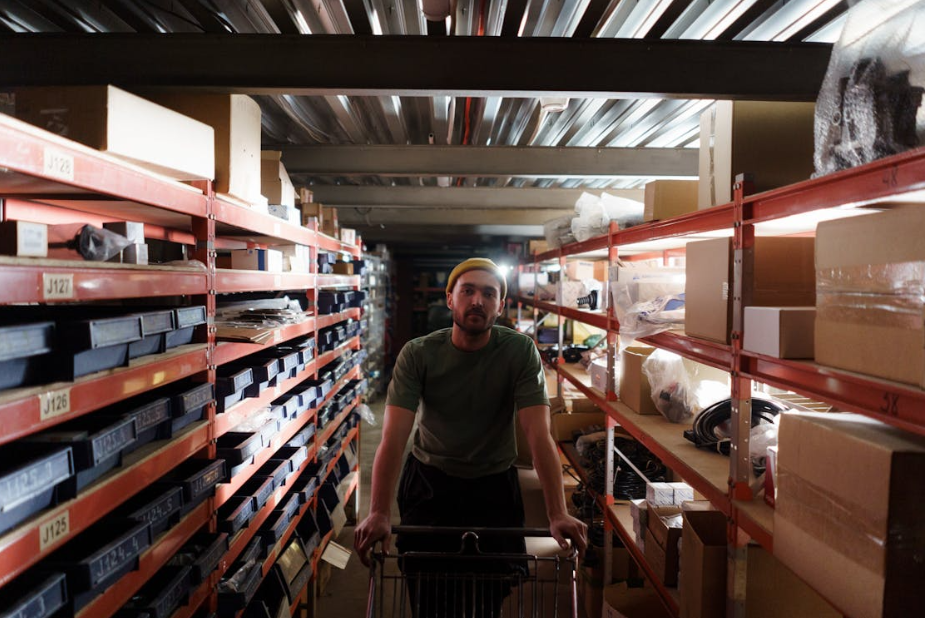
Renting a warehouse in Melbourne provides your business with dedicated space for storage, logistics, and operations. Unlike basic storage units, warehouses are built for commercial use, offering features like loading docks and high ceilings. For small businesses in Australia, choosing the right property is key to growth.
When considering a small warehouse for rent in Melbourne, it’s important to evaluate your specific needs, such as location, accessibility, and budget. Many options are available, allowing you to find a space that aligns perfectly with your operational requirements while enhancing your efficiency and productivity.
Key Factors When Renting a Small Warehouse in Melbourne
Before renting a warehouse, consider key factors. Location is crucial—choose a space near suppliers and customers to cut delivery times and costs. Ensure easy truck and staff access for smooth operations.
Review lease terms for flexibility that matches your business growth. Don’t sacrifice essential features for low rent; a cheap warehouse in a bad location can cost more over time. Weigh cost, location, and terms to find the best fit.
Types of Small Warehouses Available for Rent in Melbourne
Melbourne offers a variety of commercial properties to suit different business needs. Your choice will depend on your specific operational requirements, budget, and long-term goals. You can find everything from your own warehouse to more collaborative environments.
The most common options include standalone buildings, which offer complete autonomy, and units within larger shared industrial space complexes. Each type comes with its own set of benefits and considerations. Understanding these differences is the first step in narrowing down your search for the perfect premises.
Standalone Warehouses vs. Shared Industrial Spaces
A standalone warehouse gives you full control and privacy, with no need to share access or common areas. However, this comes with higher rent and sole responsibility for maintenance and utilities.
Shared industrial spaces offer lower costs by splitting expenses among tenants, but provide less privacy and require following complex rules.
- Cost: Shared spaces usually have lower initial and ongoing expenses.
- Flexibility: Standalone warehouses allow more customization.
- Community: Shared spaces offer networking opportunities with other businesses.
Specialist Warehousing Solutions (e.g., Cold Storage, eCommerce Fulfillment)
Some businesses need specialized warehousing that standard spaces can’t provide. For example, food and pharmaceuticals require cold storage with advanced refrigeration and monitoring. eCommerce companies benefit from fulfillment centers optimized for fast order processing and shipping. Although these options may have stricter lease terms and higher costs, they offer critical infrastructure for specific industries.
- Food and Beverage: Needs cold storage.
- eCommerce: Uses fulfillment centers for quick order processing.
- Pharmaceuticals: Requires secure, climate-controlled storage.
Price Breakdown and Cost Considerations
Understanding warehouse rental costs is essential for budgeting. The final price includes more than just base rent; you must also consider utilities, maintenance, and insurance.
To get the best deal, focus on total occupancy costs—not just the lease payment. Accounting for all expenses upfront helps you avoid surprises and secure a property with real value and lower overall costs.
Typical Rental Rates in Major Melbourne Suburbs
Rental rates for small warehouses vary across Melbourne. Suburbs near the CBD and Port of Melbourne—such as Richmond and Port Melbourne—are more expensive due to their prime locations and connectivity. Your choice will depend on your budget and operational needs. Here’s a general overview of typical annual rents per square meter:
Common Additional Fees and Hidden Charges to Watch Out For
When reviewing commercial properties, don’t just focus on base rent—hidden costs can add up quickly. “Outgoings” such as council rates, water rates, and land tax are common extras. Always confirm with the landlord what’s included in your lease.
Maintenance and repairs can also be costly. Clarify who handles structural repairs versus general upkeep. Poor delivery access may lead to indirect expenses from delayed logistics. Request a full breakdown of all charges before signing.
- Outgoings: Property taxes, insurance, council rates.
- Maintenance: Upkeep and repair costs.
- Utilities: Charges for electricity, water, and internet.
Lease Terms, Flexibility, and Legal Essentials
Navigating the legal aspects of warehouse rental is crucial. The lease is a binding contract detailing landlord and tenant responsibilities, so review all terms carefully before committing.
Focus on clauses about rent increases, maintenance, and exit conditions. Understanding these protects your business and ensures a smooth tenancy. Seek legal advice if any terms are unclear.
Standard Lease Lengths and Short-Term Rental Options
In Melbourne, commercial warehouse leases typically last three to five years. Landlords favor longer terms for stable income, and tenants benefit from better rates and business stability.
However, small businesses and startups may not want long commitments. Short-term leases, now more common, range from a few months to a year and offer flexibility. Although monthly rates are usually higher, these leases reduce risk for businesses with uncertain growth.
Important Legal Documents and Negotiation Tips
Before signing, you’ll encounter key legal documents, mainly the lease agreement outlining all terms. You’ll also likely see a condition report detailing the property’s state before move-in. Review these carefully, ideally with a legal expert.
Negotiation is essential. Discuss terms with your landlord—rental price, lease length, and maintenance clauses are often flexible. Understanding your needs and local market rates strengthens your position.
- Review Everything: Read every clause in the lease.
- Know the Market: Research similar properties to inform negotiations.
- Seek Legal Advice: Have a solicitor review documents before signing.
Conclusion
In summary, renting a small warehouse in Melbourne provides businesses with flexible, customizable space. By understanding warehouse types, pricing, and key lease terms, you can make informed choices that support your goals. Consider additional costs and legal requirements for a smooth transition. The right warehouse can boost efficiency and growth. Ready to get started? Contact our experts for a consultation to find the ideal space for your business.
Frequently Asked Questions
Which businesses usually rent small warehouses in Melbourne?
Small warehouses in Melbourne are popular among a variety of businesses. This includes eCommerce companies needing storage and fulfillment space, tradespeople requiring a workshop, and small businesses managing their own logistics. The flexibility of these commercial properties makes them ideal for companies looking to improve their delivery times and operational efficiency.
Are there alternative storage solutions if I don’t need a full warehouse?
Yes, if a full warehouse rental is more than you need, consider smaller self-storage units or shared industrial space. Some providers also offer flexible office space with attached storage. These options can provide lower costs and more manageable terms than leasing your own warehouse, making them great for startups or businesses with smaller inventories.
What steps should I take before signing a warehouse lease?
Before signing any lease, conduct a thorough inspection of the premises. Have a lawyer review all legal documents to ensure the terms are fair. It is also wise to check with the local council about zoning restrictions. Confirming all details with the landlord will help you avoid future disputes between tenants and property owners.