

Key Highlights
- Junior schools in Melbourne provide a supportive and nurturing start to early education, focusing on inspiring young minds.
- They offer a dynamic curriculum that blends explicit instruction with inquiry-based learning, building strong foundations in English and Mathematics.
- Holistic development is a key priority, with programs designed to grow students socially, emotionally, intellectually, and spiritually.
- A strong partnership between parents, students, and teachers creates a supportive community for an enhanced learning experience.
- Co-curricular and outdoor education programs encourage confidence, resilience, and personal growth beyond the classroom.
- These schools foster curiosity and a love of learning through play-based and experiential activities, preparing children for future success.
Introduction
Choosing the right start for your child’s education is crucial. Early school years shape both academic skills and a lifelong love of learning. A quality junior school in Melbourne offers a supportive environment where foundational skills are developed, curiosity is encouraged, and children are empowered to reach their full potential.
What Defines a Junior School in Melbourne?
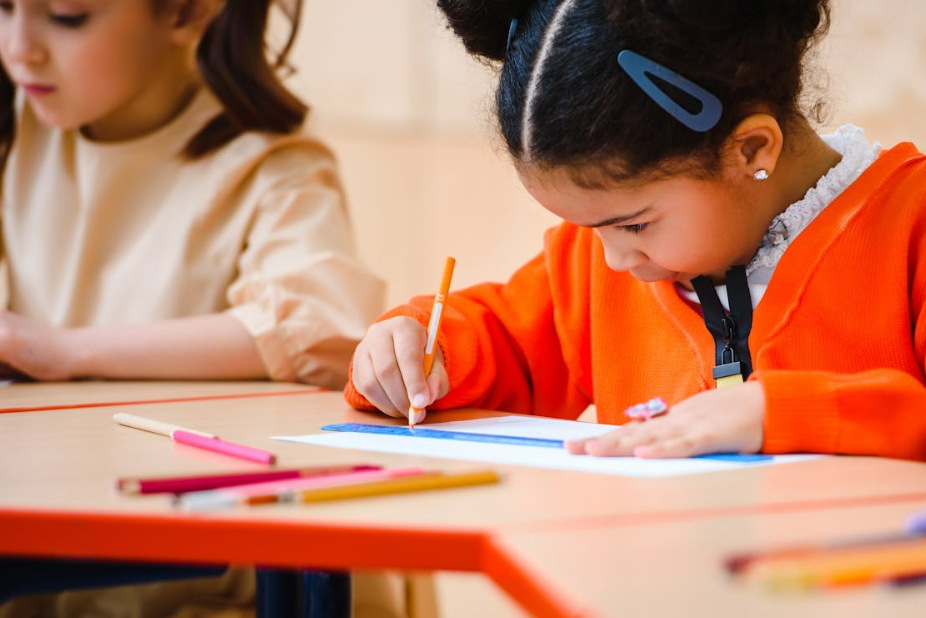
A junior school in Melbourne typically covers Prep to Year 4, forming the foundation of a child’s education. Whether public or private, these schools focus on creating a safe, supportive environment where young learners can grow academically, socially, and emotionally.
When choosing a school, parents should consider its educational approach, community strength, and how it supports individual needs. While public schools often follow a standardised curriculum, many private schools offer specialised programs and distinct values. The goal is to find a school that matches your family’s priorities and sets your child up for a positive start. The following sections outline typical age groups and the core values shaping this important stage of learning.
Age Groups and Entry Requirements
Children in Victoria typically begin junior school in Prep, the first year of primary school. To enrol, children must usually be five years old by April 30th of their starting year. This marks the official move from kindergarten or early learning into primary school.
Entry often includes a readiness interview or assessment—not a test, but a way for educators to gauge your child’s social and emotional preparedness. This helps schools provide tailored support for each student.
Many schools offer transition programs that introduce new students to the school environment, teachers, and classmates. These programs help children feel confident and make the first day exciting and welcoming.
Core Values and Educational Approach in Melbourne Junior Schools
Choosing the right school means considering its values and educational philosophy. Top junior schools in Melbourne focus on holistic development—nurturing children intellectually, socially, emotionally, and spiritually. This approach shapes both the curriculum and daily routines.
These schools build strong communities and encourage students to become reflective learners. Christian values like compassion, kindness, and integrity often guide their culture, helping students develop a solid moral foundation and respect for diverse perspectives.
Their teaching combines direct instruction with guided inquiry, so students learn core concepts while exploring their interests. This balance fosters critical thinking and personal growth, ensuring children learn how to think—not just what to think.
The Importance of Early Education for Young Minds
The early years of education are crucial for shaping a child’s future. During this time, children build foundational literacy and numeracy skills that support lifelong learning. A positive, engaging start sets the tone for all future education.
A nurturing environment helps children develop confidence, curiosity, social skills, emotional resilience, and a love of learning. Let’s explore the specific benefits of this important stage.
Cognitive, Social, and Emotional Benefits
Quality early education offers major benefits for a child’s overall development. Cognitively, children build problem-solving and critical thinking skills through engaging activities. Early exposure to a second language, like Mandarin, can boost memory, concentration, and creativity.
Socially, junior school helps children learn to communicate and collaborate. Group activities promote teamwork, empathy, and understanding of others—key to emotional well-being.
These experiences help shape well-rounded individuals who are better equipped for academic and personal challenges. Key advantages include:
- Increased Motivation: Positive relationships with teachers and peers drive greater engagement.
- Emotional Regulation: Students learn to manage their emotions, building resilience and self-awareness.
- Stronger Social Skills: Collaboration nurtures active listening and problem-solving abilities.
How Early Learning Shapes Future Success
The junior school experience builds the foundation for long-term success. By nurturing a love of learning early on, schools keep children curious and engaged throughout their education.
This foundation comes from encouraging students to ask questions, research, and think critically. When kids take an active role in learning, they gain confidence and a sense of agency.
That confidence helps them tackle advanced challenges later, like academic competitions or AP courses. Skills such as inquiry, collaboration, and self-reflection learned early become invaluable as they pursue their goals.
Unique Features of Junior Schools in Melbourne
Junior schools in Melbourne are known for their unique approach and commitment to well-rounded education. They offer dynamic environments that go beyond traditional classrooms, with diverse activities to nurture each child’s interests and talents. Private schools, in particular, provide specialised programs thanks to greater flexibility.
With innovative curricula and a wide range of extracurricular options, these schools focus on developing the whole child. Choosing the right school means finding one that offers these enriching experiences, ensuring your child receives a comprehensive and inspiring education. Let’s explore some of their standout features.
Inspiring Curiosity Through Play-Based and Experiential Learning
Junior schools inspire young learners through play-based and experiential learning, turning education into an adventure. This hands-on approach sparks curiosity, makes learning meaningful, and encourages critical thinking and problem-solving. Instead of memorising facts, students engage directly with concepts through activities like science experiments, building projects, and interactive games.
Early exposure to this approach helps children connect different subjects and see real-world applications. For example, a Perceptual Motor Program (PMP) in Prep develops coordination and classroom readiness through fun activities.
Other examples of play-based learning include:
- Guided Inquiry Projects: Students explore central ideas by asking questions and researching across Science, History, and Health.
- Hands-On Mathematics: Using concrete materials and visual models to grasp math concepts.
- Language Immersion: Learning Science in another language, such as Mandarin, with gestures and interactive experiences.
Enriching Co-Curricular Activities for Holistic Growth
Co-curricular activities are central to the junior school experience, offering opportunities for personal growth beyond the classroom. These programs help students explore new interests, build confidence, and develop key life skills. From sports and music to public speaking and community service, there’s something for everyone.
Participation lets students excel outside academics, whether competing in events, performing on stage, or collaborating with peers. These experiences foster teamwork and a healthy sense of competition.
A wide range of activities supports well-rounded development by nurturing talents in multiple areas. A strong co-curricular program gives students valuable experiences that prepare them for future success.
| Activity Type | Skills Developed | Examples |
| Performing Arts | Confidence, expression, teamwork | Concerts, assemblies, choirs |
| Sports (Activate) | Physical fitness, teamwork, and competition | Carnivals, swimming, athletics |
| Public Speaking | Communication, confidence, and critical thinking | Presentations, debating |
| Community Service | Empathy, responsibility, and global awareness | Fundraisers, campaigns |
Supporting Children’s Development in Melbourne Junior Schools
A key advantage of junior schools in Melbourne is their commitment to each child’s growth. By recognising individual needs, these schools create a supportive community where well-being comes first. They offer safe, nurturing environments where children feel valued.
With targeted support programs and an emphasis on positive relationships, students receive the help they need to succeed. This holistic approach builds confidence and resilience. Let’s explore how these schools promote leadership and wellbeing.
Fostering Confidence and Leadership Skills
Quality junior schools nurture confidence and leadership from an early age, viewing every student as a potential leader. Students develop initiative and reliability through daily activities and can take on formal roles such as Student Representative Council member, House Captain, or Environment Captain. These positions foster decision-making, teamwork, and communication skills.
Grounded in values like courage and compassion, students lead events, mentor peers, and participate in service projects—building confidence to become principled contributors to society both now and in the future.
Building Resilience and Wellbeing in a Nurturing Environment
A nurturing environment is essential for building resilience and well-being in young minds. Junior schools offer supportive communities where children develop social skills, emotional intelligence, and confidence. Extracurricular activities foster teamwork and character, enhancing their learning.
By recognising each child’s unique needs, these schools support holistic development. Personalised programs and diverse experiences help students thrive, achieve their potential, and develop a lifelong love of learning.
Conclusion
In conclusion, junior schools in Melbourne play a vital role in shaping young learners. Their play-based, hands-on approach sparks curiosity and supports overall development. These schools foster resilience, confidence, and social skills for life. Investing in early education builds a brighter future. Interested? Contact us today for a free trial or consultation.